《衡量一个人》片名取自柏拉图名言:「衡量一个人,端看他拥有权力时的所做所为」(The measure of a man is what he does with power)。剧情描述一个中年失业父亲、奋力寻找工作的故事,他在经历各种羞辱人的面试和受训课程后,最后找到了令他讨厌的超市警卫的工作,却拥有监视顾客与同侪的无上权力。但他被迫必须揪出在超市行窃的小贼,而这些人却都是跟他一样同属生活无继的人…。 这是文森林顿与导演史蒂芬布塞的第三度合作,片中除了文森林顿外,其他演员清一色均为素人,也使电影展现出不同于以往的戏剧力道,被誉为史蒂芬布塞迄今的最佳作品。
Marco (Flavio Parenti) is a 35 year-old ex-chef who has given up his career and any sense of hope to return to Udine in Northern Italy to nurse his ailing father. Even when offered a job at a restaurant in Melbourne, he declines using his father as the excuse. When tragedy strikes, the only glimmer of joy arrives in the form of Olivia (Maeve Dermody), a spirited Australian chasing her dream of working in design while on a family mission in Udine. Against the stunning vineyards, rugged mountains and blue Adriatic of Friuli-Venezia Giulia, these two very different people find themselves at a crossroads that will change their lives forever.
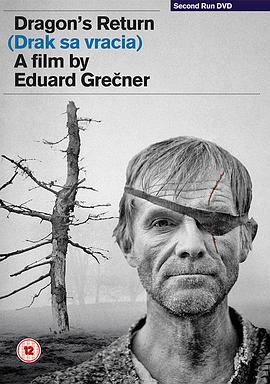
与Stefan Uher和Elo Havatta一样,Eduard Grecner也是60年代斯洛伐克新浪潮电影的缔造者之一。他的三部影片《一周七天》(1964)《尼绒月亮》(1965)和这部《徳拉克的回归》都是斯洛伐克新浪潮电影的代表作。这部叙事方法独特带有明显意识流风格的黑白影片甚至间接影响到了后来法国导演格里耶在捷克拍摄的两部影片《说谎的人》和《Eden and After》。 A special place in the development of feature films is reserved for Eduard Grecner, the creator of just one good film, Dragon Returns (Drak sa vracia, 1967), titled after the nickname of the lead character. After his initial work with Uher, Grecner made his mark as a proponent of the so-called intellectual film, the antithesis of the sociologically, or rather, socially critical film. Grecner's great role model was Alan Resnais, a young French filmmaker who sought to introduce Slovakia to the idea of film as a labyrinth in which meanings are created not by stories, but by complex configurations of dialogue, shots, and various layers of time, thus differentiating film from both literature and theater. In Dragon Returns―the story of a solitary hero who is needed by villagers living far in the mountains, but who is rejected by them at the same time because of his detachment―Grecner brought the tradition of lyricized prose to life through a whole series of formal aesthetic techniques. Alain Robbe-Grillet immediately developed this idea in the film shot in Bratislava The Man Who Lies (Slovak Muz, ktory luze; French title L'homme qui ment; 1968), and perfected it in Eden and After (Eden a potom, 1970).