After his father's death, the unemployed Aman returns to Kuala Lumpur and embarks illegally on a ride-hailing service, as he fails to obtain a driving license due to his color blindness. When his landlord chases him out of his rental accommodation, he ends up sleeping in his car. A chance encounter with Bella, a Chinese 'escort girl', grants Aman a temporary residence at her place. In return, she asks Aman to become her driver. As they become closer, Bella confides in Aman about her intention to leave Malaysia. Complications ensue when Bella finds herself pregnant and decides to have an abortion.
雷达(尼古拉斯·卡萨雷 Nicolas Cazalé 饰)的父亲(Mohamed Majd 饰)是一位非常虔诚的穆斯林,当他觉得自己大限将到命不久矣之时,决定完成身为一名穆斯林的毕生梦想——前往圣地麦加朝圣。本来父亲的打算是让雷达的哥哥开车载他去麦加,可不巧的是,他的大儿子因为一场交通意外而被吊销了驾驶执照无法上路行驶。无奈之下,父亲只得找到小儿子雷达,命令他成为司机。 只有20岁的雷达即将面临学校的会考,与此同时,他还有一个正在热恋的如花似玉的女朋友。面对父亲强势的命令,雷达虽然心里百般的不情愿,却也只能顺从。一路上,父子两人之间爆发了无数次战争。
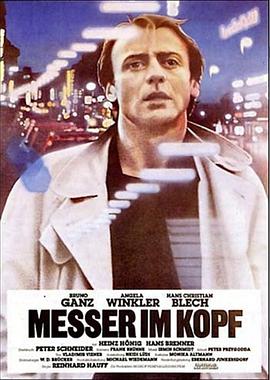
One night when seeking his estranged wife, Hoffmann goes to the youth center where she works. The police are there rounding up radicals who frequent the center - Hoffmann runs into the building and ends up being shot in the head. He awakens with brain trauma, partially paralyzed and unable to speak. The police accuse him of stabbing an officer; the radicals herald him as an innocent victim of police brutality. During his slow recovery at the hospital, Hoffmann must piece together his life and struggle to remember the events of that night.
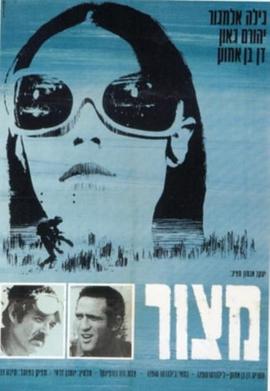
The issue of War widow representation in Israeli cinema is one of the most complex for the local industry for it seems to be unique and with a very local and specific iconography. The war Widow is a difficult character to digest. Because this is an especially painful topic in Israel, its mode of representation is almost always problematic. Gila Almagor in Tofano's siege is one of the first characters of the modern war widows to appear on Israeli cinema screens. The human and social complexity of the status of widows was not represented adequately and personally until her complex and fine appearance in this film. It was mostly Preceded by cliches of heroic women who have sacrificed for the nation with characters to which it was very difficult to get attached, nor to their personal grief. Siege was directed by an unknown Italian director of that period. Although Gilberto Tofano was brought as a professional director on the wings of inspiration made by the French New Wave of those years, he managed to turn out a very exciting work which has caught the Israeli warmth and sense of social siege which surrounds the Israeli widows, including the great expectations from them and the social stigmas. Tofano wrapped his leading lady with lots of warmth and gave a place of honor to Almagor's impressive presence in the film. This is without a doubt one of Almagor's best and most accurate performances. The restraint in her performance plus the shooting and expressive use of angles by Tofano and his soft European touch which was far off from the aggressive local product managed to produce a sense of documenting an authentic tragedy with a tangible personal touch that minimized the national dimension. The result stands the test of time proudly several decades after its creation.